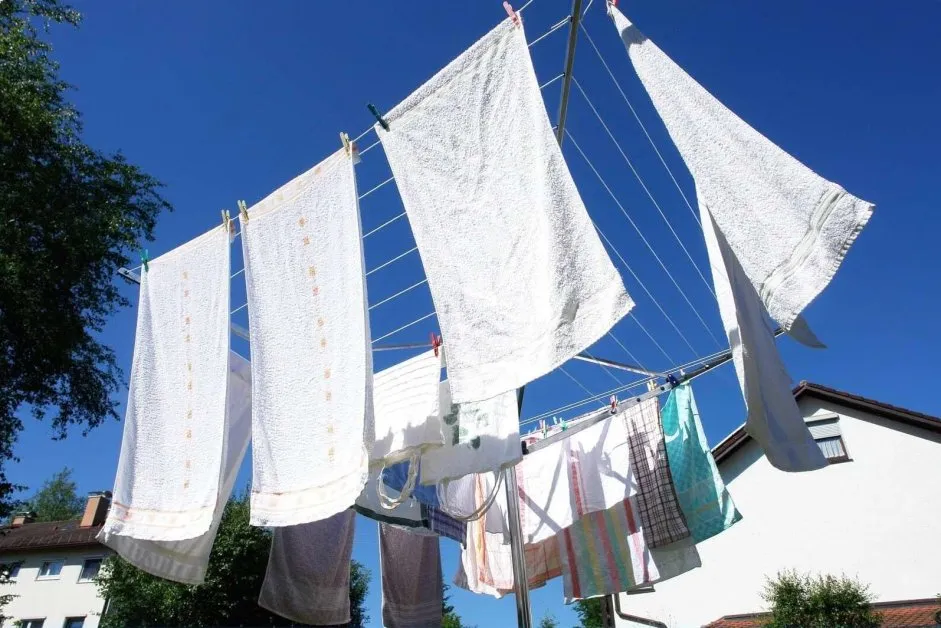
White clothing represents cleanliness, freshness, and timeless style. However, maintaining that pristine brightness poses one of the most persistent challenges in laundry care. Over time, white garments inevitably lose their brilliant appearance, becoming dull, yellowed, or gray. This transformation occurs due to various factors including body oils, deodorant residue, environmental pollutants, and improper washing techniques.
The science behind fabric discoloration involves complex chemical processes. When white fabrics absorb oils, minerals from hard water, and other contaminants, these substances bond with the fibers at a molecular level. Understanding these mechanisms enables one to select appropriate restoration methods and prevent future discoloration.
Understanding Why White Clothes Lose Their Brightness
Primary Causes of Discoloration
Several factors contribute to the gradual deterioration of white fabric brightness:
Body Oils and Sweat: Natural skin oils contain proteins and fatty acids that penetrate fabric fibers. When exposed to heat during washing or drying, these compounds undergo chemical changes that create yellowish stains.
Deodorant and Antiperspirant Buildup: Aluminum-based antiperspirants react with fabric fibers and body oils, creating stubborn yellow stains that resist conventional washing methods.
Hard Water Minerals: Calcium and magnesium ions in hard water bind with soap residue, creating a gray film that coats fabric fibers and reduces brightness.
Chlorine Exposure: Swimming pool chlorine and some municipal water supplies contain chlorine compounds that can yellow certain synthetic fabrics and damage natural fibers.
Age and Wear: Repeated washing cycles gradually break down fabric fibers, reducing their ability to reflect light and maintain brightness.
Historical Context of Fabric Brightening
The pursuit of bright white clothing dates back centuries. Ancient civilizations used various methods to achieve and maintain fabric whiteness:
- Ancient Egypt: Linen was treated with natron, a naturally occurring sodium carbonate mixture
- Medieval Europe: Fabrics were spread on grass under sunlight, a process called “grassing”
- 18th Century: The invention of chlorine bleach revolutionized fabric whitening
- 19th Century: Bluing agents became popular for counteracting yellow tones
- 20th Century: Optical brighteners and enzyme-based detergents emerged
Modern fabric brightening techniques build upon these historical foundations while incorporating advanced chemistry and technology.
Natural Brightening Methods
Baking Soda Treatment
Baking soda (sodium bicarbonate) offers a gentle yet effective approach to fabric brightening. This alkaline compound neutralizes acidic stains and lifts embedded dirt particles.
Application Method:
- Create a paste using 4 tablespoons baking soda and 1 cup warm water
- Apply directly to stained areas and let sit for 30 minutes
- Add 1 cup baking soda to the regular wash cycle
- Wash in the hottest water safe for the fabric
Effectiveness: Studies indicate that baking soda can remove up to 70% of organic stains when used consistently.
White Vinegar Solution
White vinegar’s acetic acid content dissolves mineral deposits and neutralizes alkaline stains. This method proves particularly effective for hard water damage and deodorant buildup.
Application Process:
- Mix equal parts white vinegar and water in a spray bottle
- Spray solution on yellowed areas and let sit for 1 hour
- Add 1 cup white vinegar to the rinse cycle
- Wash normally with detergent
Lemon Juice and Salt Combination
The citric acid in lemon juice acts as a natural bleaching agent, while salt provides abrasive action for stain removal.
Treatment Steps:
- Combine fresh lemon juice with table salt to form a paste
- Rub mixture into stained areas
- Hang garments in direct sunlight for 2-4 hours
- Rinse thoroughly and wash as usual
Commercial Brightening Products
Oxygen Bleach
Oxygen bleach (sodium percarbonate) releases hydrogen peroxide when dissolved in water, providing effective whitening without fabric damage.
| Product Type | Active Ingredient | Effectiveness | Fabric Safety |
|---|---|---|---|
| Oxygen Bleach | Sodium Percarbonate | High | Excellent |
| Chlorine Bleach | Sodium Hypochlorite | Very High | Moderate |
| Enzyme Cleaners | Protease/Amylase | Moderate | Excellent |
| Optical Brighteners | Fluorescent Compounds | Moderate | Good |
Enzyme-Based Detergents
Modern enzyme detergents contain specific proteins that break down organic stains at the molecular level. These products excel at removing protein-based stains like sweat and body oils.
Key Enzyme Types:
- Protease: Breaks down protein stains
- Amylase: Targets starch-based stains
- Lipase: Removes oil and grease stains
- Cellulase: Maintains fabric appearance
Optical Brighteners
Optical brighteners are fluorescent compounds that absorb ultraviolet light and emit blue light, creating the appearance of increased whiteness.
How They Work:
- Molecules attach to fabric fibers during washing
- UV light absorption occurs when exposed to sunlight or fluorescent lighting
- Blue light emission counteracts yellow tones
- Enhanced brightness perception results
Advanced Restoration Techniques
Hydrogen Peroxide Method
Hydrogen peroxide provides powerful oxidizing action that breaks down organic stains and restores fabric brightness.
Safety Considerations:
- Always test on an inconspicuous area first
- Use 3% concentration for safety
- Avoid mixing with other chemicals
- Wear gloves during application
Application Steps:
- Mix 1 part hydrogen peroxide with 2 parts water
- Soak garments for 30 minutes
- Rinse thoroughly with cold water
- Wash with regular detergent
Aspirin Treatment
Aspirin contains salicylic acid, which helps break down protein stains and restore whiteness.
Preparation Method:
- Crush 5 aspirin tablets into powder
- Dissolve in 1 cup warm water
- Soak garments for 8 hours
- Wash normally
Borax Enhancement
Borax (sodium tetraborate) acts as a natural laundry booster, softening water and enhancing detergent effectiveness.
Usage Guidelines:
- Add 1/2 cup borax to wash cycle
- Combine with regular detergent
- Use hottest water safe for fabric
- Suitable for both colors and whites
Prevention Strategies
Proper Washing Techniques
Implementing correct washing practices prevents future discoloration:
Temperature Management:
- Use hot water for whites when fabric allows
- Cold water for mixed loads to prevent color bleeding
- Warm water for synthetic blends
Detergent Selection:
- Choose detergents specifically formulated for whites
- Avoid overloading washing machines
- Measure detergent accurately
Storage Considerations
Proper storage protects white garments from environmental factors:
Climate Control:
- Maintain low humidity levels
- Ensure adequate ventilation
- Avoid direct sunlight exposure during storage
Material Choices:
- Use breathable garment bags
- Avoid plastic storage containers
- Include moisture-absorbing packets
Troubleshooting Common Issues
Persistent Yellow Stains
When standard methods fail, consider these approaches:
- Repeated Treatments: Some stains require multiple applications
- Professional Cleaning: Dry cleaners have access to specialized chemicals
- Fabric Replacement: Severely damaged items may be beyond restoration
Gray or Dingy Appearance
This typically indicates detergent buildup or hard water issues:
- Switch to low-sudsing detergents
- Install water softening systems
- Use vinegar rinses regularly
Recent Developments in Fabric Care
Nanotechnology Applications
Recent advances in nanotechnology have introduced self-cleaning fabrics and enhanced stain resistance. These innovations promise to revolutionize white fabric maintenance.
Eco-Friendly Alternatives
Environmental consciousness has driven development of biodegradable brightening agents and sustainable cleaning methods. Plant-based enzymes and natural mineral compounds offer effective alternatives to harsh chemicals.
Smart Fabric Technology
Emerging smart fabrics incorporate color-changing properties and built-in stain resistance, potentially eliminating traditional brightening needs.
Conclusion
Maintaining bright white clothing requires understanding the science behind discoloration and applying appropriate restoration methods. Natural treatments like baking soda, vinegar, and lemon juice offer gentle yet effective solutions for minor discoloration. Commercial products provide enhanced power for stubborn stains, while advanced techniques address severe damage.
Prevention remains the most effective strategy for maintaining fabric brightness. Proper washing techniques, appropriate storage methods, and regular maintenance prevent the accumulation of stains and discoloration. As technology advances, new solutions continue to emerge, offering hope for even more effective and environmentally friendly fabric care methods.
The key to successful white fabric restoration lies in identifying the specific cause of discoloration and selecting the most appropriate treatment method. With patience and proper technique, even severely yellowed garments can often be restored to their original brightness, extending their useful life and maintaining their aesthetic appeal.
By implementing these tried and tested methods, one can ensure that white clothing maintains its pristine appearance for years to come. Regular maintenance and proper care techniques prevent the need for intensive restoration treatments, saving time, money, and preserving fabric integrity.