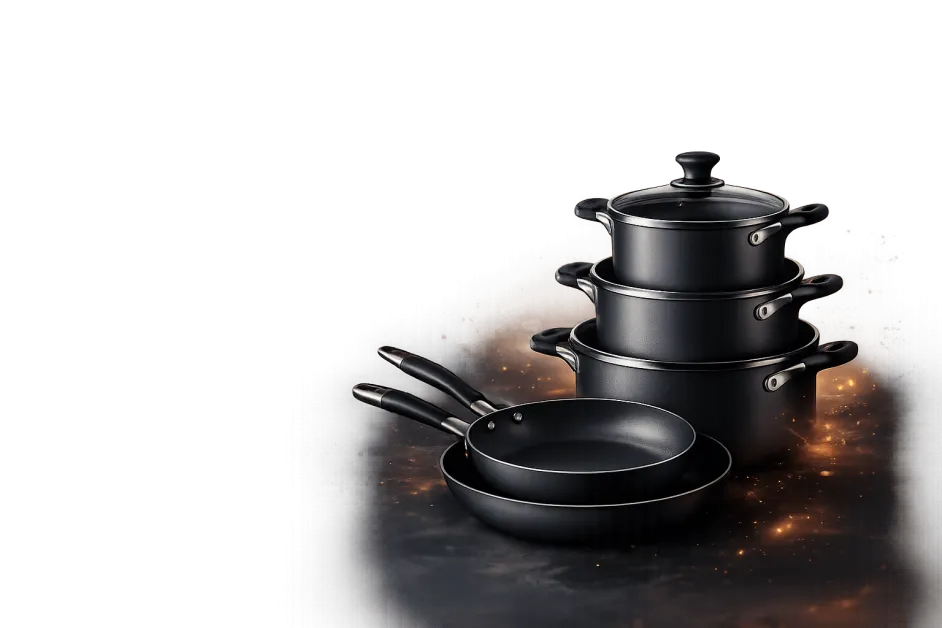
Looking for the best cookware for home cooks on a budget in 2026? You’re not alone. Whether you’re frying eggs at sunrise or scrambling dinner after work, a solid nonstick set can make or break your kitchen routine – but it shouldn’t break the bank.
The top cheap nonstick cookware sets for 2026 give you reliable performance, easy cleanup, and real durability – all without emptying your wallet. This guide cuts through the marketing fluff to help you pick a set that fits your cooking style, your space, and your budget, with honest advice from folks who actually cook at home.
What Makes a Great Cheap Nonstick Cookware Set?
Cheap doesn’t mean “throwaway” – not if you know what to look for. The best nonstick sets in 2026 balance quality, safety, and practical design. Here’s what matters most:
- Coating Quality – Look for PFOA-free or ceramic-based coatings. They’re safer, last longer, and are less likely to flake into your food.
- Heat Distribution – Even heat means fewer burnt spots and less frustration. Aluminum and hard-anodized bases tend to win here.
- Piece Selection – Skip the 15-piece sets with filler utensils. A couple of skillets, a saucepan, and a stockpot cover 90% of home meals.
- Handle Comfort – Cheap sets often skimp here. Test grip and oven safety if you can.
- Maintenance Needs – Not all nonstick is dishwasher-safe. If you hate hand-washing, check before you buy or see our nonstick cleaning guide.
Most budget nonstick cookware is made from aluminum, sometimes with a steel base for induction compatibility. Sets usually include a couple of frying pans, one or two saucepans, and a larger pot or Dutch oven. Lids are typically tempered glass or matching aluminum.
Top Cheap Nonstick Cookware Sets for 2026 – Value Kitchen Picks
Here’s a look at the top contenders for 2026, each with strengths for different home cooks. These are sets that get recommended by folks who actually use them – not just read the spec sheet.
| Set | Main Material | Nonstick Type | Best For | Price Range |
|---|---|---|---|---|
| T-fal Initiatives | Aluminum | PTFE, PFOA-free | Easy cleanup, beginners | $50-$70 |
| GreenLife Soft Grip | Recycled aluminum | Ceramic, PFAS-free | Eco-conscious, gentle users | $60-$90 |
| Amazon Basics 8-Piece | Aluminum | Standard PTFE | Basic cooking, small kitchens | $35-$50 |
| Carote Granite Set | Cast aluminum | Granite-derived | Heavier use, induction stoves | $70-$100 |
For more details on safe nonstick materials, check our non-toxic cookware guide.
Why Real-World Testing Matters
Paper specs never tell the whole story. Here’s what actually counts in daily use:
- Eggs sliding out of the pan without oil (even after six months)
- Handles that don’t loosen or wobble
- Pots that don’t warp after high-heat pasta night
- Lids that fit snug and stay clear
Some sets start strong but lose their nonstick magic within a year. That’s why we value brands with proven performance and real user feedback.
Common Cheap Nonstick Cookware Problems – And How to Avoid Them
Even the best affordable sets have some trade-offs. Here’s what trips up most home cooks:
- Coating Peeling – Don’t use metal utensils, even if the box claims you can. Stick to wood, silicone, or nylon.
- Uneven Heating – Cheap bases can mean hot spots. Preheat on low-medium, and don’t blast the heat.
- Difficult Cleaning – Some ceramic coatings stain with tomato sauce or burnt bits. Soak and use a gentle sponge – never steel wool.
- Warped Pans – Let pans cool before rinsing with cold water. Sudden temperature changes are the #1 culprit.
Quick Checklist – Buying the Right Set
- Check for “PFOA-free” or “PFAS-free” labels
- Look at the number of actual pans, not just “pieces” (lids count as pieces!)
- Test the weight – too light can mean flimsy, too heavy is tough to handle
- Consider your stove type – not all sets work with induction or glass tops
For those with gas stoves, see our cookware for gas stoves comparison for tailored picks.
How to Make Cheap Nonstick Cookware Last
Even affordable sets can last several years if you treat them right. Here’s how:
- Wash by hand – Even “dishwasher safe” sets last longer with gentle hand washing.
- Use the right tools – Wooden or silicone spatulas keep coatings smooth.
- Avoid high heat – Medium is plenty for most stovetop cooking.
- Store carefully – Stack with pan protectors or a paper towel in between.
For more tips, try our guide on how to clean and maintain nonstick cookware.
FAQ
Are cheap nonstick cookware sets safe?
Most budget sets in 2026 are PFOA-free and safe for home use. Look for PFAS-free or ceramic options for extra peace of mind. Avoid using them at very high heat, and never use them if the coating is scratched or flaking.
Can cheap nonstick pans go in the oven?
Some can, but many cheap sets have plastic handles that limit oven safety. Always check the manufacturer’s label – most max out at 350°F-400°F.
How long does a budget nonstick set last?
With proper care, expect 2-3 years before performance drops. Using gentle utensils and avoiding high heat extends their life.
What’s the difference between ceramic and PTFE nonstick?
Ceramic coatings are usually PFAS-free and eco-friendly, but may lose slickness faster. PTFE (like Teflon) is slicker, but higher heat can damage the coating.
Is a big cookware set better than a small one?
Not always. Quality beats quantity. Most home cooks use two skillets and one saucepan daily – the rest often gather dust.
Final Thoughts | A Frugal Kitchen Doesn’t Mean Settling
A cheap nonstick cookware set can absolutely deliver if you know what to pick and how to treat it. Stick with proven brands, skip the “extras,” and focus on real-world function. If you’re curious about seasonal deals, check our cookware set deals round-up.
Want more honest kitchen reviews and frugal finds? Subscribe to the Nestawares newsletter and catch new guides as soon as they land.