Keep Your Patio Kitchen Gear Protected | The Smart Guide to Weatherproof Outdoor Cabinet Storage
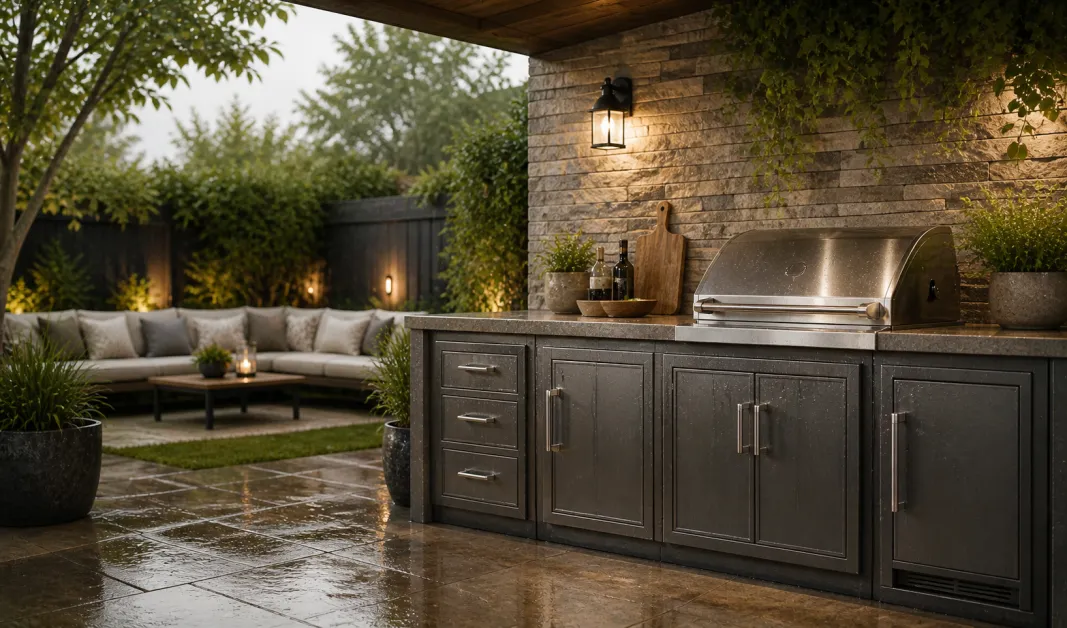
If you’ve invested in a patio kitchen setup, you know the frustration of watching your grills, small appliances, and cooking tools get weathered by sun, rain, and humidity. A proper weatherproof outdoor cabinet isn’t just convenient-it’s the difference between gear that lasts years and equipment that rusts, fades, or fails halfway through grilling season.
Weatherproof outdoor cabinet storage solutions protect your patio kitchen investments from the elements while keeping everything organized and accessible. The right cabinet combines durable materials like stainless steel or marine-grade resin, proper ventilation to prevent moisture buildup, and smart design that fits your patio layout and cooking style.
Why Outdoor Cabinet Storage Actually Matters for Patio Cooks
Your patio kitchen isn’t just a fun addition-it’s an extension of your cooking space, and it deserves the same care as your indoor setup. Without proper storage, moisture creeps into grills and smokers, UV rays fade cabinet finishes, and temperature swings cause metal to expand and contract, leading to rust and corrosion.
Leaving tools, seasonings, and accessories exposed means replacing them constantly. A quality outdoor cabinet keeps everything protected while making your patio feel more intentional and organized. You’re not just storing stuff-you’re preserving the lifespan of equipment that can cost hundreds or thousands of dollars.
Key Materials That Actually Hold Up to Weather
Stainless Steel – The Durable Workhorse
Stainless steel is the gold standard for outdoor cabinetry because it resists rust, handles temperature swings, and looks clean for years. It’s heavier than alternatives, which means it won’t shift in wind, and it’s genuinely low-maintenance-just an occasional wipe-down keeps it looking new.
The catch? Stainless steel costs more upfront, and cheaper grades can still develop surface rust over time. Look for 304 or 316-grade stainless steel if you’re in coastal areas where salt spray is a factor.
Powder-Coated Steel – Budget-Friendly Protection
Powder-coated steel cabinets offer solid weather resistance at a lower price point. The coating creates a protective barrier against moisture and UV rays, and they come in a wider range of colors and finishes than stainless options.
They’re not quite as durable long-term, especially if the coating gets scratched, but they work well for moderate climates and budgets under $500.
Marine-Grade Resin – Lightweight and Rust-Free
Marine-grade resin cabinets won’t rust ever-there’s no metal to corrode. They’re lightweight, affordable, and great for renters or anyone who might relocate. The downside is they can feel less substantial than metal, and extreme heat can cause some materials to warp slightly.
Aluminum – Light but Needs Maintenance
Aluminum is corrosion-resistant and lightweight, making it easy to move or adjust. However, it requires anodized or powder-coated finishes to stay protected long-term. Bare aluminum can develop white oxidation over time.
Design Features That Keep Moisture Out
Ventilation and Drainage
The best outdoor cabinet designs include ventilation slots or mesh panels that allow air circulation without letting rain in. Proper drainage prevents water from pooling at the bottom, which is where rust and mildew thrive. Look for cabinets with slightly angled tops or drainage holes that direct water away from the unit.
Sealed Hinges and Hardware
Standard hinges rust fast in outdoor settings. Quality outdoor cabinets use stainless steel or coated hinges with sealed bearings. The same goes for handles, latches, and any fasteners-they should all be corrosion-resistant.
Gasket Seals on Doors
Rubber or silicone gaskets around door edges create a tight seal that keeps moisture and pests out. This is especially important if you’re storing food items, grilling seasonings, or anything that attracts insects.
Sizing and Layout – Matching Your Patio Kitchen Workflow
Before buying, think about what you actually store. Are you keeping a grill cover, propane tanks, utensils, and cleaning supplies? Or do you need space for a portable cooktop, mixing bowls, and ingredients?
Measure your patio space and account for clearance-you don’t want a cabinet so tight against your grill that you can’t access it. Consider whether you want one large cabinet or multiple smaller units that fit your layout better. Some patio setups benefit from a tall, narrow cabinet tucked into a corner, while others need wider, shorter units that don’t block sightlines.
Interior organization matters too. Look for adjustable shelves, hooks for hanging utensils, or compartments designed for specific items like propane bottles or cleaning supplies.
Common Problems and How to Avoid Them
Rust Despite “Rust-Free” Claims
Even stainless steel can develop surface rust if exposed to salt spray or if cheaper grades are used. Avoid this by choosing higher-grade stainless (304 or 316), rinsing the cabinet occasionally if you’re near the coast, and ensuring water doesn’t pool inside.
Mildew and Mold Inside Cabinets
Poor ventilation traps moisture, creating the perfect environment for mold. Choose cabinets with vents or mesh panels, and crack the door open on humid days to allow air circulation. Consider adding a small silica gel pack inside during very wet seasons.
Handles and Hinges Failing
Cheap hardware fails fast outdoors. Invest in cabinets with stainless steel or heavily coated hardware. If you’re buying a budget cabinet, plan to upgrade the hinges and handles yourself-it’s a worthwhile $30-50 improvement.
Fading and Discoloration
UV rays fade painted finishes over time. Powder-coated and anodized finishes hold color longer than paint. If fading bothers you, position the cabinet in partial shade or use a light-colored cover during off-season storage.
Frequently Asked Questions
How much should I spend on a weatherproof outdoor cabinet?
Quality outdoor cabinets range from $200-$800 depending on size and material. Stainless steel runs higher ($500+), while powder-coated or resin options start around $200-400. Spend more if you’re in harsh climates or plan to keep the cabinet for 10+ years. Think of it as protecting equipment that costs far more.
Can I use a regular indoor cabinet outdoors if I seal it?
Not really. Indoor cabinets use materials and hardware that aren’t designed for UV exposure, temperature swings, and moisture. Sealing can help temporarily, but it won’t prevent rust or warping long-term. Outdoor-rated cabinets are built differently from the ground up.
Do I need a cabinet if I have a covered patio?
Even under cover, moisture and temperature changes happen. A covered patio helps, but it’s not a substitute for a sealed cabinet-especially if your cover doesn’t fully block wind-driven rain or if moisture gets trapped underneath. A cabinet adds an extra layer of protection that extends equipment life noticeably.
What’s the best way to maintain an outdoor cabinet?
Wipe it down a few times a year with mild soap and water. For stainless steel, use a stainless steel cleaner every 6 months to prevent fingerprints and oxidation. Keep the interior dry by cracking the door open on humid days. Check hinges and hardware annually and tighten anything loose. That’s it-minimal effort for years of protection.
Should I get a cabinet with locks?
It depends on your situation. Locks are nice if you have kids, curious neighbors, or live in an area with theft concerns. They add cost and complexity, but they keep people out of propane tanks and sharp tools. Most quality outdoor cabinets offer locking options.
The Bottom Line
A weatherproof outdoor cabinet is one of those patio investments that pays for itself by keeping your grills, appliances, and tools working longer. Stainless steel offers the best durability, powder-coated steel balances cost and protection, and marine-grade resin works if you want lightweight and rust-free. Focus on ventilation, sealed hardware, and proper drainage-those features matter more than brand names.
Your patio kitchen deserves to stay organized and protected. The right cabinet makes that happen without fuss.